Picking the Ideal Metal Casting Foundry: Everything You Should Know
Identifying the appropriate metal casting foundry is a critical decision that can considerably impact project outcomes. Several factors come into play, including background, credibility, and production abilities. Understanding these elements is important for ensuring alignment with defined project requirements. As one examines this challenging landscape, several key considerations surface, prompting a deeper examination of what truly counts in establishing an productive partnership.
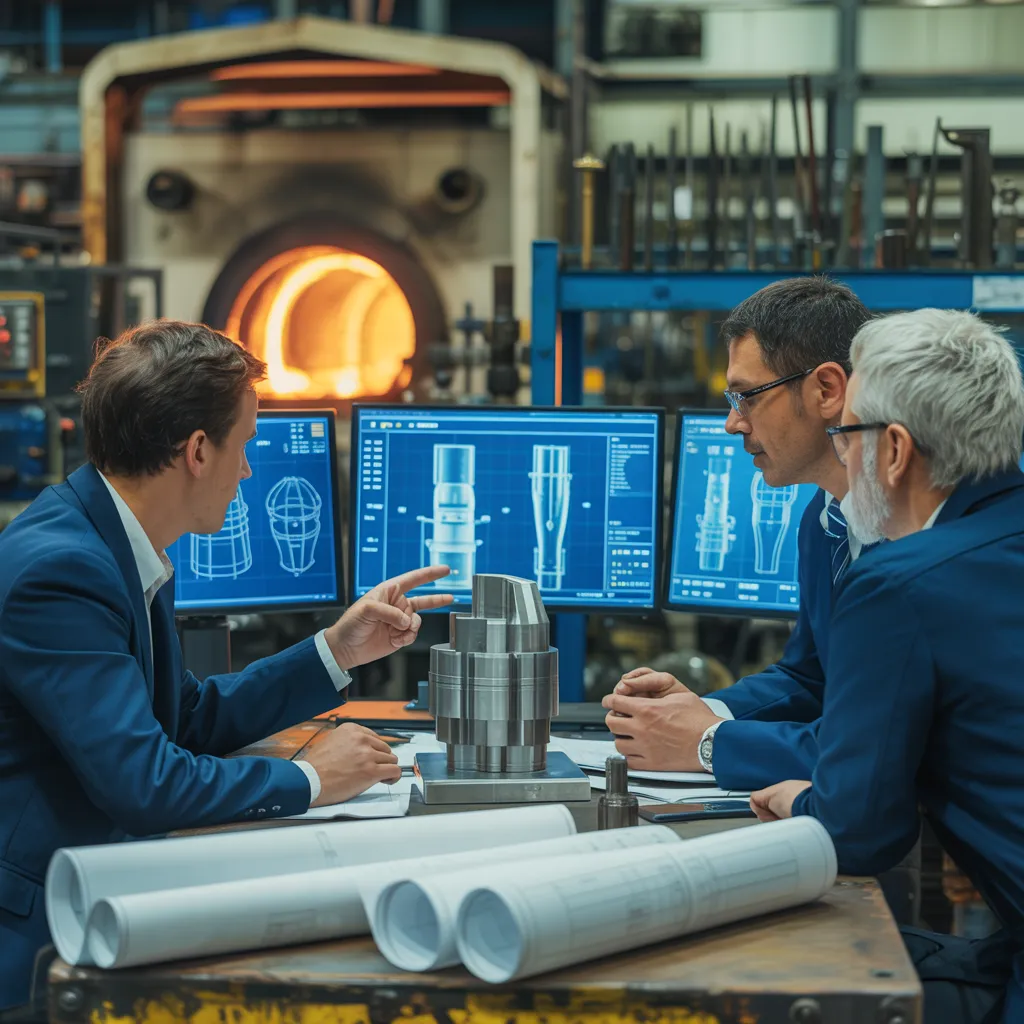
Important Standards for Reviewing Metal Casting Foundries
When selecting a casting foundry, it is crucial to examine various critical aspects to secure efficiency and quality. Initially, the reputation and experience of the foundry in the industry should be assessed, as reputable operations often display dependability and proficiency. Furthermore, the variety of materials available is noteworthy; a facility that can handle various metals may better meet varied project needs.
Moreover, evaluating the foundry's equipment and technological capabilities is essential; contemporary machinery can improve accuracy and shorten production timelines. Quality management procedures should also be scrutinized, as rigorous standards ensure that the finished goods meet industry standards. Additionally, communication and customer service are essential in building a productive partnership. Ultimately, the foundry's ability to honor project schedules and budget parameters is crucial for upholding production schedules and financial oversight. Together, these elements constitute a complete guideline for assessing potential metal casting foundries.
Understanding Production Capabilities in Metal Casting
Understanding production capabilities is vital when identifying a metal foundry. This involves evaluating the various types of casting processes offered, the capacity and scope options offered, and the suitability of materials with individual projects. All of these elements can substantially affect the efficiency and quality of the final product.
Types of Casting Processes
Identifying the right metal casting process is vital, as it directly influences manufacturing capabilities and the integrity of the final product. Various casting methods can be found, each suited to particular applications and materials. Sand casting is widely used for its versatility and cost-effectiveness, ideal for complex shapes. Investment casting offers high precision, making it appropriate for intricate designs. Die casting is preferred for mass production, providing consistent quality and shorter lead times. Gravity and low-pressure casting address different material requirements, especially for non-ferrous metals. Recognizing these processes empowers manufacturers to coordinate their production goals with the capabilities of the foundry, guaranteeing the selected method meets both operational and budgetary criteria for the desired outcome.
Scale and Volume Options
Picking the suitable production volume and scale parameters is vital for maximizing output potential in metal casting. Professional metal casting operations offer varying capacities, extending key information from compact operations ideal for prototype development to large facilities capable of handling high-volume production runs. Organizations should examine their specific project requirements, taking into account elements including production timelines, financial limitations, and the planned use of cast components. A facility's proficiency in scaling manufacturing processes can substantially determine delivery schedules and financial outcomes. Furthermore, reviewing a foundry's equipment and production technology can uncover its operational strengths and weaknesses. By coordinating output demands with a foundry's operational strengths, clients can guarantee that production runs proceed without disruption, meeting both quality standards and production timelines.
Considerations for Material Compatibility
Material compatibility is a critical factor in the success of any metal casting project. Picking the correct materials confirms that the final product satisfies performance requirements and industry regulations. Foundries must possess expertise in a variety of alloys, such as aluminum, steel, and bronze, as well as their respective casting techniques. Recognizing thermal properties, corrosion durability, and mechanical strength is fundamental for proper material selection. Additionally, the foundry's equipment and production capabilities should align with the chosen materials to eliminate flaws throughout casting. Participating in comprehensive discussions with the foundry regarding specific material requirements can lead to superior quality and minimized lead times. Ultimately, careful consideration of material compatibility can significantly influence the durability and performance of the final product.
Which Material Options Should You Think About?
When reviewing a metal casting facility, a variety of material options serve a vital role in identifying the best fit for specific applications. Common materials include aluminum, known for its lightweight and corrosion resistance, making it perfect for automotive and aerospace applications. Cast iron, with its excellent wear resistance, is commonly utilized in heavy machinery and automotive components. Steel, most notably in its alloyed forms, delivers exceptional strength and durability, well-suited for a range of structural applications.
Copper-based alloys, including bronze and brass, are preferred for their superior conductivity and visual appeal, often used in electrical and decorative applications. Furthermore, specialty metals such as titanium offer remarkable strength-to-weight ratios for sophisticated engineering projects. Understanding the properties and applications of these materials guarantees that stakeholders choose the right foundry, aligning material characteristics with project requirements. Ultimately, selecting the appropriate material is essential for achieving peak performance and longevity in the final product.
Why Quality Assurance Is Important to You?
Quality assurance is a critical factor that plays a major role in determining the success of every metal casting endeavor. Ensuring that a foundry adheres to strict quality standards can minimize potential issues stemming from flaws and irregularities in the end result. This proves especially significant in industries where precision is paramount, such as aerospace and automotive.
A foundry's focus on quality assurance demonstrates its commitment to operational integrity. Implementing rigorous testing and inspection protocols not only enhances product reliability but also fosters trust between the client and the manufacturer. Quality assurance processes can identify potential issues early, reducing costly rework or delays later in the production cycle.
Additionally, foundries that place emphasis on quality assurance are better positioned to make use of sophisticated technologies and qualified professionals, which ultimately elevates the overall craftsmanship. For businesses, selecting a foundry that emphasizes quality assurance can result in enhanced durability and performance of cast components, guaranteeing that project objectives are achieved successfully.
Understanding the Impact of Turnaround Times on Your Project
Turnaround times play an essential role in defining the ultimate outcome of a casting project, as setbacks can disrupt workflows and elevate costs. A foundry's capability to fulfill orders within the established timeframe can considerably influence the project's progression. For manufacturers, unforeseen setbacks can result in missed deadlines, affecting subsequent operations including assembly and distribution. This can result in lost revenue and strained customer relationships.
In addition, rapid processing times allow firms to react quickly to industry demands, encouraging competitiveness. Reduced processing times can also enable more effective inventory control, lowering storage expenses and inefficiencies. However, lengthy lead times may force organizations to seek competing suppliers, eroding established partnerships and confidence.
Fundamentally, comprehending the timeline capabilities of a metal casting operation is crucial for project planning. Examining these aspects early on can work to confirm that project milestones are met efficiently, ultimately preserving overall project success.
Building a Productive and Successful Partnership With Your Foundry
A productive relationship with a metal casting foundry depends on transparent communication and common ground. Defining goals and expectations early on fosters a collaborative environment. Ongoing communication and feedback mechanisms confirm that both sides maintain alignment during the entire production cycle.
Moreover, grasping the foundry's specific capabilities and limitations is essential. This awareness supports the creation of realistic timelines and minimizes potential setbacks. Building trust is equally important; openness about project needs and obstacles can enhance problem-solving efficiency.
Furthermore, nurturing a collaboration grounded in mutual respect and appreciation can result in stronger dedication from the foundry. Acknowledging their skills and respecting their input can result in innovative solutions and improved quality.
Ultimately, committing to frequent discussions and check-ins can strengthen the partnership, making certain that both sides are engaged and motivated to reach mutual goals in every project.
Frequently Asked Questions
What Is the Best Way to Compare Costs Between Different Foundries?
To compare costs between different foundries, you should collect comprehensive quotes, assess material and labor expenses, review manufacturing capabilities, and take into account other elements such as lead times and quality assurance processes for an accurate comparison.
How Does the Foundry Address Environmental Practices?
The foundry's environmental practices include waste management, emissions control, and energy efficiency measures. Assessing certifications, recycling programs, and the adoption of eco-friendly materials can provide insights into their commitment to eco-friendly operations and compliance with regulations.
Am I Able to Tour the Foundry Before Deciding?
Prospective clients are frequently welcome to visit the foundry prior to making a decision. These tours provide an opportunity to review operations, comprehend capabilities, and assess environmental standards, building trust in their ultimate choice of foundry.
What Credentials Should a Respected Foundry Hold?
A trustworthy foundry is expected to have accreditations such as ISO 9001 to ensure quality management, ISO 14001 for environmental management, and specific industry certifications like ASTM and ASME standards, guaranteeing compliance with established standards and proven practices in the metal casting industry.
How Does the Foundry Deal With Unexpected Production Issues?
A established foundry tackles sudden production issues through open and proactive dialogue, establishing contingency plans, and engaging highly qualified personnel. Ongoing oversight and a team-oriented approach with customers provide swift problem resolution and preserve production standards throughout the process.